







Albany's comprehensive commercial e-waste recycling programs offer a sustainable model for tech industries. Through an extensive collection points map, user-friendly drop-off systems, and awareness campaigns, the city reduces environmental impact by up to 70%. Key strategies include expanding recycling center hours, offering convenient services, and conducting public education. Long-term partnerships with reputable recyclers ensure ethical practices. These initiatives not only benefit the environment but also enhance corporate social responsibility and potentially reduce costs for participating businesses.
In today’s digital age, the rapid proliferation of electronic devices has led to a corresponding surge in e-waste generation. Commercial e-waste recycling is more crucial than ever, as unconventional disposal methods pose significant environmental risks. Albany, with its burgeoning tech scene, faces unique challenges and opportunities in this domain. Existing programs, however, often fall short of addressing the complexities of commercial e-waste, resulting in a persistent gap in effective recycling solutions. This article delves into exploring innovative strategies, highlighting successful models like those in Albany, to create sustainable systems for managing this burgeoning problem.
- Understanding Commercial E-Waste Recycling Albany's Impact
- Implementing Effective Green Tech Recycling Programs
- Strategies for Successful E-Waste Collection Initiatives
- Benefits and Future Prospects of Recycled Technology
Understanding Commercial E-Waste Recycling Albany's Impact

Albany’s commitment to commercial e-waste recycling stands as a beacon of sustainable innovation, reshaping the way tech industries manage their end-of-life products. The city has recognized the pressing need for responsible e-waste management, especially with the rapid pace of technological advancements that result in regular upgrades and obsolete equipment. Commercial e-waste recycling Albany offers not only an environmental solution but also a strategic approach to resource recovery.
At the heart of this initiative lies a comprehensive e-waste collection points map, meticulously designed to ensure accessibility throughout downtown and beyond. This network includes specialized facilities and drop-off locations that cater to businesses of all sizes, from tech giants to small startups. For instance, the city’s central business district boasts several e-waste collection points, making it convenient for companies to responsibly dispose of their electronic assets. By providing such infrastructure, Albany actively encourages sustainable practices in the tech sector.
The success of commercial e-waste recycling programs like those found in Albany lies in their ability to foster collaboration between businesses, government bodies, and recycling specialists. These partnerships facilitate efficient collection and processing, ensuring that valuable materials are recovered rather than ending up in landfills. Data from recent studies indicates that proper e-waste recycling can reduce environmental impact by up to 70%, showcasing the profound difference these programs make. Companies that actively participate in such initiatives not only contribute to a greener future but also gain access to recycled resources, potentially reducing production costs and enhancing their sustainability credentials.
Implementing Effective Green Tech Recycling Programs
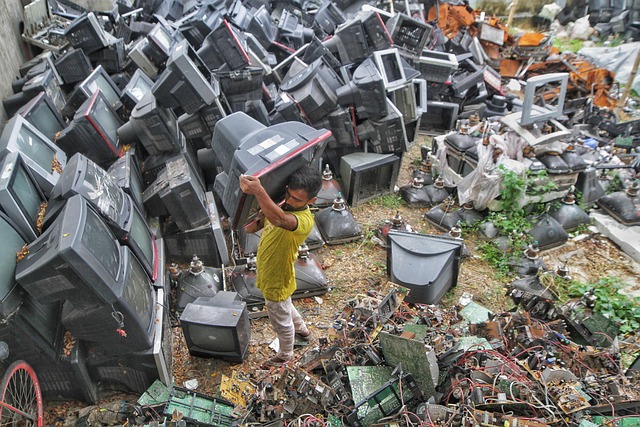
Implementing Effective Green Tech Recycling Programs
In today’s digital age, the rapid proliferation of electronic devices has led to a significant surge in e-waste generation. Commercial e-waste recycling Albany offers a compelling solution to this growing challenge, demonstrating how responsible disposal practices can minimize environmental impact. The key lies in establishing comprehensive programs that cater to both individuals and businesses, ensuring proper handling of electronic garbage. One notable approach is through organized events, such as Albany computer recycling initiatives, which not only educate the public but also provide convenient drop-off points.
These programs should be designed with a multi-faceted strategy. First, expanding recycling centers’ operational hours to include evenings and weekends encourages participation by working professionals. For instance, facilities offering extended hours 1-3 times per week can significantly increase e-waste collection rates. Second, employing user-friendly drop-off systems, whether online registration or mobile apps, streamlines the process, making it more accessible for all. By incorporating these practices, Albany’s commercial recycling efforts set a benchmark for sustainable e-waste management.
Data from recent studies underscores the importance of such initiatives. Research indicates that proper e-waste recycling can reduce environmental pollution by up to 70% compared to landfilling. Furthermore, recycling centers with efficient processes can recover valuable materials, like rare earth metals, reducing the need for mining and fostering a circular economy. To enhance these programs further, regular awareness campaigns should be conducted, emphasizing the significance of responsible e-garbage disposal. By combining robust infrastructure, convenient services, and public education, Albany’s green tech recycling programs can achieve notable success in mitigating e-waste’s environmental impact.
Strategies for Successful E-Waste Collection Initiatives
Implementing effective e-waste collection strategies is crucial for any city aiming to embrace sustainable practices, particularly when focusing on commercial e-waste recycling Albany faces unique challenges and opportunities. The sheer volume of electronic waste generated by businesses demands tailored solutions to ensure eco-friendly electronic disposal methods. One successful approach involves partnering with specialized recycling centers that can handle the diverse components found in old phones, tablets, computers, and accessories.
For instance, commercial entities can organize regular events where employees and customers alike can bring their obsolete technology for responsible recycling. These initiatives should be promoted through various channels to encourage participation, such as social media campaigns, email newsletters, and in-house communications. By making it convenient and accessible, organizations can significantly increase the amount of e-garbage recycled responsibly. Data suggests that proper e-waste management reduces environmental impact by minimizing toxic substance leaching into soil and water sources.
Moreover, businesses should explore long-term partnerships with reputable recycling companies to ensure consistent and ethical disposal practices. Providing clear guidelines and training sessions for employees on identifying recyclable items versus those requiring special handling can further enhance the program’s success. Ultimately, commercial e-waste recycling Albany can serve as a model for other cities by demonstrating that thoughtful strategies and collaboration can lead to significant positive environmental changes.
Benefits and Future Prospects of Recycled Technology

Green tech recycling programs, such as commercial e-waste recycling Albany initiatives, are transforming the way we handle technology’s rapid obsolescence. As a growing sector, these programs offer substantial benefits for both businesses and the environment. By adopting eco-friendly e-waste disposal options like those provided by local Albany recyclers, companies can significantly reduce their environmental footprint. Old electronics drop off locations across the city have seen increased participation, reflecting a growing awareness of sustainable tech waste solutions.
The advantages are multifaceted. Commercial recycling programs alleviate the strain on landfills, where e-waste often ends up, and help to conserve valuable natural resources. For instance, recycling one ton of computers can save up to 538 pounds of iron, 42 pounds of gold, 10 pounds of silver, and 7,600 gallons of water. Moreover, these programs create job opportunities in a burgeoning green economy, fostering local employment and economic growth. Albany’s commitment to e-waste recycling has positioned it as a leader in sustainable tech waste management, setting an example for other communities to follow.
Looking ahead, the future prospects for commercial e-waste recycling are promising. Advancements in technology and increasing consumer demand for eco-friendly products will drive further innovation in recycling methods. As regulatory bodies worldwide implement stricter environmental policies, businesses will be incentivized to adopt sustainable tech waste solutions. For example, proper disposal of old electronics through drop-off programs can prevent the release of toxic substances like lead, mercury, and cadmium into the environment. By embracing these practices proactively, companies not only contribute to a cleaner planet but also enhance their corporate social responsibility profiles.
Green tech recycling programs, as exemplified by successful initiatives like commercial e-waste recycling Albany, offer a compelling roadmap for sustainable technology management. Key insights reveal that effective programs combine robust collection strategies with innovative implementation, ensuring maximum material recovery and environmental benefits. By understanding the impact of e-waste on ecosystems and communities, we can harness the future prospects of recycled technology. Practical next steps include adopting standardized recycling protocols, fostering public-private partnerships, and promoting consumer education to drive participation in e-waste collection initiatives. Ultimately, these efforts are not just environmentally responsible but also economically viable, paving the way for a greener and more sustainable digital future.