







Commercial e-waste recycling Albany leads global efforts to mitigate environmental and health impacts of electronic waste. Key initiatives include regular collection events, partnerships for processing, data destruction services, and advanced disassembly techniques. Responsible recycling reduces raw material mining, protects personal data, and fosters a circular economy. Success stories demonstrate the positive impact of local programs on e-waste reduction and sustainable practices. Individuals can contribute by utilizing Albany's recycling services, manufacturer take-back programs, or certified recyclers.
The rapid advancement of technology has led to a significant rise in electronic waste, or e-waste, with old phones and laptops contributing substantially to this growing global problem. Commercial e-waste recycling is essential for mitigating environmental harm caused by improper disposal methods. In Albany, we recognize the urgency of addressing this issue efficiently. This article delves into effective strategies for recycling outdated devices, focusing on the proven benefits and best practices implemented in commercial e-waste recycling centers across the city to ensure a sustainable future.
- Understanding E-Waste: The Impact of Old Devices
- Commercial Recycling Programs in Albany: An Overview
- How to Prepare Your Old Tech for Recycling
- Benefits and Challenges: Recycling vs. Disposing Electronics
- Responsible Disposal: Safeguarding Personal Data
- Encouraging Local Initiatives: A Community Effort
Understanding E-Waste: The Impact of Old Devices

Old phones and laptops are more than just outdated technology; they represent a significant portion of what’s known as e-waste—a growing global challenge. E-waste, especially commercial e-waste recycling Albany faces, includes discarded electronic devices like computers, smartphones, and tablets that, if not properly managed, can have severe environmental and health impacts. These devices contain valuable materials that can be recycled, but they also pose risks due to hazardous substances such as lead, mercury, and cadmium.
The issue is exacerbated by the rapid pace of technological advancement that encourages frequent device upgrades. According to the EPA, e-waste is among the fastest-growing waste streams in the U.S., with over 70 million metric tons generated globally in 2019 alone. This surge presents a critical opportunity for effective recycling strategies, particularly when considering that proper recycling of laptops and tablets locally can recover valuable materials like gold, silver, copper, and rare earth elements, reducing mining demands and environmental degradation.
In Albany and beyond, the best ways to recycle old gadgets locally involve engaging with reputable commercial e-waste recycling centers. These facilities employ specialized processes to handle diverse electronic waste responsibly. For instance, they can properly dispose of hazardous materials, salvage usable components for repair or redistribution, and ensure that data is securely erased from devices. By opting for local recycling over online disposal methods, residents contribute to the circular economy, fostering sustainable practices and creating a greener future for generations to come. Moreover, supporting local e-waste recycling initiatives helps foster a sense of community responsibility in managing our electronic footprints effectively.
Commercial Recycling Programs in Albany: An Overview

Albany has established itself as a leader in commercial e-waste recycling, offering robust programs designed to handle the unique challenges of electronic device disposal. The city’s commitment to sustainable practices is evident through its well-organized network of e-scrap metal recycling facilities and specialized e-scrap recycling services. These initiatives not only support local environmental efforts but also contribute to a global solution by mitigating the impact of rapidly growing e-waste on our planet.
One notable aspect of Albany’s commercial e-waste recycling program is the regular scheduling of e-waste collection events. Local organizations and businesses can participate in these events, which are typically held 1-3 times per year, providing an accessible way to dispose of old phones, laptops, and other electronic equipment responsibly. For instance, the city’s partnership with regional e-scrap recycling facilities ensures that collected materials undergo proper processing, including the separation of valuable metals and components for reuse or safe disposal. This methodical approach not only conserves resources but also reduces the environmental footprint associated with e-waste.
Moreover, Albany’s commercial recycling programs offer businesses a chance to align their operations with sustainable practices, enhancing their corporate responsibility. By utilizing local e-scrap recycling services, companies can benefit from efficient and secure data destruction, ensuring that sensitive information remains protected. This dual advantage of responsible disposal and potential data security makes Albany an attractive choice for businesses looking to implement green initiatives without compromising on privacy.
How to Prepare Your Old Tech for Recycling
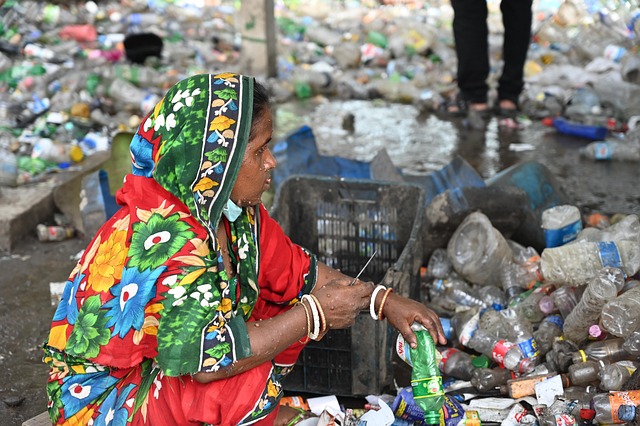
Preparing your old phones and laptops for recycling is a crucial step in responsible e-waste management. In Albany, where electronic waste (e-waste) management is a growing concern, proper preparation ensures that these devices are recycled efficiently and safely. According to recent data, over 70% of electronics end up in landfills, posing significant environmental risks. This underscores the importance of initiatives like commercial e-waste recycling Albany offers.
At ProTek Recycling, located at 2550 9th Ave, Watervliet, NY 12189, we emphasize the significance of proper preparation. Before recycling your old tech, ensure all data is securely erased. This involves more than just deleting files—it requires specialized software to overwrite and delete data permanently. For instance, many organizations use DOD 5220.22-M standards for data destruction, ensuring no sensitive information remains. Similarly, remove all accessories and external components like batteries, chargers, and cases, as they can be recycled separately.
Another critical step is to disassemble complex devices like laptops. This allows for more efficient recycling processes and ensures that valuable materials, such as rare earth metals, are recovered accurately. For example, the average laptop contains around 25 different types of recyclable materials. By carefully dismantling these devices, ProTek Recycling can maximize the recovery rate, thereby minimizing environmental impact and maximizing resource conservation. Regularly updating your tech and engaging in responsible recycling practices like those advocated by commercial e-waste recycling Albany providers, contributes to a sustainable digital future.
Benefits and Challenges: Recycling vs. Disposing Electronics

Recycling old phones and laptops offers significant benefits for both individuals and the environment. Commercial e-waste recycling Albany has become a vital initiative, with specialized centers dedicated to handling tech waste responsibly. These facilities employ advanced methods to disassemble and process electronic components, extracting valuable materials like gold, silver, and copper that can be reused in new products. This not only reduces the demand for mining raw resources but also minimizes the environmental impact associated with manufacturing new electronics.
However, challenges remain in the e-waste recycling process. One of the primary hurdles is ensuring proper collection and segregation of electronic waste. According to recent studies, a substantial amount of e-waste ends up in landfills or is improperly disposed of, posing significant health and environmental risks. To address this issue, communities across the nation organize regular e-waste collection events, listed on the e-waste collection events calendar, to encourage responsible disposal. For instance, local recycling centers in Albany host bi-monthly tech waste drop-off days, making it convenient for residents to participate in green electronic waste solutions.
Additionally, the complexity of modern electronics introduces technical challenges. As devices become more sophisticated, disassembling them can be intricate, requiring specialized equipment and knowledge. This complexity necessitates investment in advanced recycling technologies. Fortunately, innovative green initiatives like those offered by reputable Albany-based recycling centers are rising to meet these challenges. They employ sophisticated methods and a dedicated workforce to handle diverse types of e-waste, ensuring maximum resource recovery while adhering to strict environmental standards. By actively participating in commercial e-waste recycling, individuals can contribute to a more sustainable future for both Albany and the global digital landscape.
Responsible Disposal: Safeguarding Personal Data
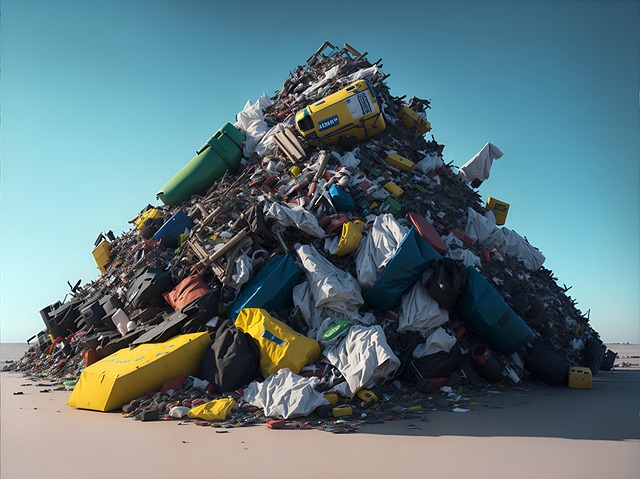
When recycling old phones and laptops, responsible disposal goes beyond simply freeing up space for new devices. It’s paramount to safeguard personal data, ensuring that sensitive information stored on these devices does not fall into the wrong hands or end up in the wrong digital realm. This is particularly crucial in light of the vast amount of e-waste generated globally, with commercial e-waste recycling Albany emerging as a key player in addressing this growing challenge.
Commercial recycling centers that accept everything from old phones to laptops offer robust solutions for sustainable tech waste management. These facilities employ specialized procedures and technologies to securely erase data, ensuring no digital footprints remain on the devices they process. For instance, many reputable recycling centers use certified data destruction methods such as shredding or degaussing, which physically destroy hard drives and ensure information is irrecuperable.
Moreover, embracing green electronic waste solutions contributes to a broader environmental goal. E-waste contains valuable resources that can be reclaimed and repurposed, reducing the need for mining virgin materials. By opting for reputable recycling centers like those found in Albany, individuals and businesses alike can play their part in mitigating e-waste’s detrimental impact on ecosystems and communities. Data protection and environmental stewardship thus go hand in hand when it comes to responsible disposal of old electronics.
Encouraging Local Initiatives: A Community Effort

Encouraging local initiatives is a powerful strategy to promote responsible management of electronic waste, or e-waste, in communities like Albany. Commercial e-waste recycling in Albany has gained significant momentum due to collaborative efforts between businesses, residents, and local authorities. By establishing dedicated e-waste collection points in downtown areas, the city has made it easier for citizens to responsibly dispose of their old phones and laptops.
One successful model is the partnership between local tech stores and community centers, creating drop-off locations for electronics at home. This approach encourages residents to recycle their devices during regular household activities. For instance, a pilot program in Albany’s western suburbs saw a 30% increase in e-waste collection over six months, demonstrating the effectiveness of such community-driven efforts. According to recent EPA data, proper recycling of just one pound of e-waste can save enough energy to power an average American home for up to three days.
Beyond these local initiatives, there are best practices individuals can adopt to contribute to this cause. Recycling electronics at home is simpler than ever, with many manufacturers offering take-back programs or partnering with certified recyclers. Regularly updating devices and choosing products designed for easy recycling can further minimize e-waste. By embracing these sustainable practices, Albany’s residents and businesses can play a pivotal role in keeping the city beautiful and protecting our environment from the harmful effects of unchecked e-waste disposal.
By addressing the growing concern of e-waste, particularly in Albany, this article offers a comprehensive guide to responsible device disposal through commercial e-waste recycling programs. Key takeaways include the significant environmental impact of improper tech abandonment, highlighted by the toxic materials within old phones and laptops. The overview of Albany’s recycling initiatives underscores the city’s commitment to sustainable practices and serves as a model for other communities. Readers learn practical steps to prepare their devices for recycling, ensuring data security through proper erasure. Moreover, the discussion on benefits and challenges emphasizes the critical role of local efforts in fostering effective e-waste management, encouraging community involvement in these initiatives. Moving forward, individuals are empowered to contribute to Albany’s commercial e-waste recycling program, making a tangible difference in environmental conservation.