





Commercial e-waste recycling Albany leads global efforts to mitigate environmental risks associated with tech waste. Through drop-off events, collection points maps, business partnerships (e.g., ProTek Recycling), and circular economy models, they divert hazardous materials from landfills, recover valuable resources, and educate employees on responsible disposal. Future strategies include expanding services, employing advanced technologies like AI for sorting, and integrating eco-conscious practices into business operations to transition towards a sustainable circular economy model.
The rapid advancement of technology has led to a significant surge in electronic waste, or e-waste, posing a growing environmental concern. Commercial e-waste recycling is essential to mitigate the impact of improper disposal, which can release harmful substances into the environment. In Albany, where technological innovation thrives, the need for efficient and affordable e-waste management solutions is more critical than ever. This article delves into the challenges surrounding cheap tech waste removal and introduces a sustainable approach tailored for commercial entities, offering a comprehensive strategy to navigate this complex landscape effectively.
- Understanding Tech Waste: A Global Issue
- The Impact of E-Waste on the Environment
- Commercial Recycling Programs in Albany
- Effective Strategies for E-Waste Reduction
- Responsible Disposal Methods for Businesses
- Future Trends in Sustainable Tech Waste Management
Understanding Tech Waste: A Global Issue

Tech waste, or e-waste, is a growing global concern, with an estimated 50 million tons generated worldwide in 2019 alone. It’s a complex issue deeply intertwined with our digital age, where electronic devices have become integral to daily life and businesses. In Albany, the commercial e-waste recycling landscape offers insights into both the challenges and opportunities of addressing this global problem.
Albany has been at the forefront of sustainable initiatives, including green programs focused on e-waste management. One notable example is the city’s e-waste drop-off events, which encourage residents to responsibly dispose of outdated electronics. These events not only educate the public about the environmental impact of tech waste but also facilitate the collection of valuable materials for recycling and reuse. For instance, in 2021, a single event in Albany collected over 5 tons of e-waste, diverting hazardous materials from landfills and potentially saving hundreds of pounds of lead and other toxic substances from entering the environment.
The city’s commitment extends further with the development of an extensive e-waste collection points map, making it easier for residents to locate designated drop-off locations. This mapping initiative serves as a practical tool, ensuring that Albany citizens have accessible options for proper tech waste disposal. Moreover, some local businesses have embraced computer parts reuse programs, where functional items are refurbished and redistributed, reducing the need for new manufacturing and further minimizing e-waste generation.
To effectively tackle commercial e-waste recycling, businesses should consider implementing circular economy models. This involves redesigning products for durability, longevity, and easy disassembly to facilitate material recovery. Additionally, fostering partnerships with established recycling centers can ensure proper processing and responsible management of tech waste. By embracing these strategies, Albany not only sets an example for sustainable practices but also contributes to a global effort to mitigate the environmental footprint of e-waste generation.
The Impact of E-Waste on the Environment

The growing problem of electronic waste, or e-waste, is a significant environmental concern, especially as our reliance on technology increases. Commercial e-waste recycling Albany has emerged as a vital solution to mitigate this issue and reduce the ecological footprint of electronic devices. E-waste refers to discarded electrical and electronic equipment, ranging from outdated computers and mobile phones to small home appliances. The improper disposal or lack of responsible management of these materials can have severe consequences for both human health and the natural environment.
The impact of e-waste is far-reaching. Many electronic components contain toxic substances such as lead, mercury, and cadmium, which can leach into soil and groundwater if not properly recycled. For instance, a single computer monitor can contain up to 8 pounds of lead—a highly dangerous metal that poses significant health risks when released into the environment. Additionally, electronic devices often include complex mixtures of chemicals, making their recycling and disposal challenging. Without adequate e-waste management for businesses and households alike, these toxic elements can contaminate air, water, and even food sources.
Implementing effective e-waste management strategies is crucial to addressing this growing crisis. Commercial e-waste recycling Albany offers specialized services tailored to the unique challenges of electronic device disposal. These facilities employ advanced technologies and strict environmental protocols to ensure that materials are recycled responsibly. For example, businesses that recycle old electronics through these programs can contribute to the recovery of valuable resources like gold, silver, and rare earth metals, reducing the need for mining. Moreover, proper e-waste management at a local level encourages individuals to recycle electronics at home, ensuring that devices don’t end up in landfills where they can cause long-lasting environmental damage.
Commercial Recycling Programs in Albany
In Albany, commercial e-waste recycling programs play a vital role in promoting sustainable electronic disposal practices. As technology advances, so does the volume of electronic waste, or e-scrap, generated by businesses. Effective management of this waste stream is crucial to mitigating environmental harm and preserving local resources. One prominent solution is ProTek Recycling, a locally based company specializing in eco-conscious e-scrap disposal.
ProTek Recycling offers tailored solutions for businesses seeking efficient and responsible methods to recycle laptops and tablets locally. Their comprehensive programs cater to various industries, ensuring that electronic assets are handled with care throughout the recycling process. By partnering with ProTek, commercial entities can contribute to a greener future while streamlining their waste management operations. For instance, many Albany-based tech startups have embraced these initiatives, recognizing the environmental impact of their rapid technological advancements.
The benefits of engaging with specialized recyclers like ProTek are numerous. They provide secure data destruction, ensuring that sensitive business information remains protected during the recycling process. Furthermore, ProTek’s adherence to strict environmental standards guarantees that e-waste is recycled responsibly, minimizing potential harm to local ecosystems and communities. With a simple call to (838) 218-5772, businesses can initiate their eco-friendly journey towards proper commercial e-waste recycling in Albany, setting an example for sustainable practices within the region.
Effective Strategies for E-Waste Reduction
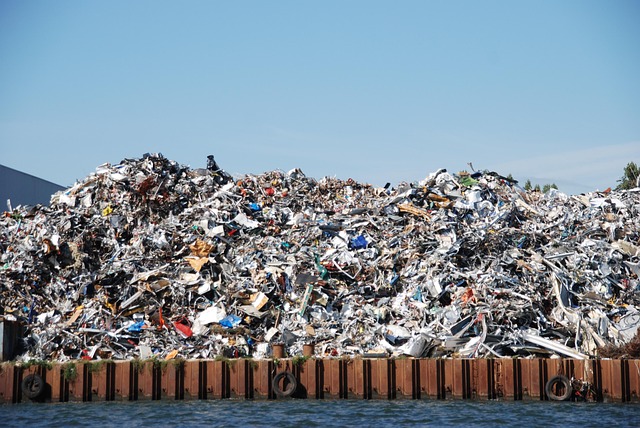
Commercial e-waste recycling is a pressing issue for businesses looking to minimize their environmental footprint. Effective strategies for e-waste reduction go beyond simple disposal, involving thoughtful planning, responsible practices, and proactive engagement with local resources like commercial e-waste recycling Albany offers. One of the most immediate impacts comes from adopting circular economy principles, such as extending product lifespans through repairs and refurbishments. For instance, businesses can partner with local tech shops to offer affordable repair services, reducing the need for frequent hardware replacements.
E-waste collection events calendar and designated points in downtown areas play a significant role in promoting sustainable practices. Regular collections facilitate easier access for businesses to responsibly dispose of or donate their obsolete electronics. According to recent data, proper e-waste management can divert substantial amounts from landfills, with up to 80% of materials being recyclable. However, success relies on consistent participation and collaboration with specialized recycling centers like commercial e-waste recycling Albany facilities. By integrating these collections into business operations, companies contribute to a healthier environment while potentially gaining brand loyalty through their commitment to eco-responsibility.
Moreover, businesses should consider implementing take-back programs where customers can return old devices when purchasing new ones. This strategy not only encourages consumer engagement but also provides valuable data on product lifecycles, enabling manufacturers to design more durable and recyclable products. For example, some tech giants have successfully piloted such programs, leading to significant e-waste reductions in targeted regions. Additionally, businesses can educate their workforce through awareness campaigns, highlighting the importance of proper e-waste management. This holistic approach ensures that every level of an organization contributes to sustainable practices, making commercial e-waste recycling Albany and other local initiatives even more effective.
Responsible Disposal Methods for Businesses

Businesses generate a significant amount of electronic waste, or e-waste, which requires responsible disposal methods to mitigate environmental impact. In Albany, commercial e-waste recycling is crucial for sustainable operations and community health. One effective strategy involves participating in local e-waste collection events detailed in the city’s calendar, ensuring regular and efficient disposal. For instance, companies can organize collections every quarter or semester, aligning with budget cycles, making eco-conscious e-scrap disposal a consistent practice.
Recycle laptops and tablets locally through established programs is another recommended approach. Many non-profit organizations and recycling centers in Albany offer such services, ensuring proper handling of these valuable assets. For example, the local tech reuse center may accept functional devices for resale or refurbishment, while specialized e-waste facilities can break down hazardous materials safely. This reduces the environmental footprint associated with e-waste disposal and supports a circular economy model.
Beyond regular collections and local recycling, businesses should consider implementing comprehensive e-waste management strategies. This includes encouraging employees to dispose of electronics responsibly, providing clear guidelines for eco-friendly disposal, and even integrating sustainable practices into procurement decisions. By adopting these measures, Albany’s commercial entities can play a pivotal role in the region’s overall environmental stewardship, ensuring that e-waste is not just recycled but transformed into valuable resources through efficient, responsible means.
Future Trends in Sustainable Tech Waste Management

The future of sustainable tech waste management is taking shape, with innovative approaches gaining traction globally. As e-waste continues to mount due to rapid technological advancements, commercial e-waste recycling Albany and similar centers worldwide are at the forefront of transforming this challenge into opportunities for a greener tomorrow. The primary focus is on developing efficient and cost-effective strategies that can handle the growing volume of electronic scrap or e-scrap generated by businesses across various sectors.
One promising trend is the expansion of recycling centers with extended operating hours to cater to the diverse needs of commercial clients. These facilities offer specialized e-waste management for businesses, ensuring proper disposal and recycling of electronic equipment such as computers, servers, and mobile devices. By providing local e-scrap recycling services on a more frequent basis, whether once or several times a week, these centers encourage timely removal of tech waste from offices and data centers, thereby reducing environmental impact and potential health risks associated with improper disposal. For instance, according to recent studies, proper e-waste management can save up to 70% of the energy required for mining raw materials used in electronic devices, underscoring the significant environmental benefits of such initiatives.
Furthermore, the integration of advanced technologies like automation and artificial intelligence (AI) is poised to revolutionize e-waste recycling processes. These innovations enable more precise sorting and classification of recyclable materials, increasing overall efficiency and recovery rates. As these technologies mature and become more accessible, they will play a pivotal role in facilitating commercial e-waste recycling Albany’s transition towards a circular economy model, where electronic waste becomes a valuable resource rather than a burden. By embracing these future trends, businesses can actively contribute to sustainable practices while also reducing operational costs associated with tech waste management.
The article has comprehensively explored the complex landscape of tech waste removal, offering valuable insights into addressing a global environmental concern. By delving into various aspects, from understanding e-waste’s impact to examining commercial recycling programs in Albany and future trends, readers gain a holistic view of this critical issue. Key takeaways include the urgent need for effective e-waste reduction strategies and responsible business practices. Commercial e-waste recycling in Albany serves as a model for successful implementation, demonstrating that proactive measures can significantly mitigate environmental harm. Moving forward, businesses should prioritize sustainable tech waste management, embracing innovative solutions to ensure a cleaner, more eco-friendly future. This authoritative piece equips readers with the knowledge to make informed decisions and take practical steps towards a greener approach to technology disposal.
Related Resources
1. EPA: Electronic Waste Management (Government Portal): [Offers guidelines and statistics on responsible e-waste disposal.] – https://www.epa.gov/electronic-waste
2. IEEE Spectrum: The Trash to Treasure Revolution (Industry Publication): [Explores innovative solutions for recycling and repurposing electronic waste.] – https://spectrum.ieee.org/tech-news/sustainability/environment/trash-to-treasure-recycling-electronics
3. UN Environment Programme: Global E-Waste Monitor (Research Report): [Provides global data and insights into the management and impact of electronic waste.] – https://www.unep.org/global-e-waste-monitor
4. National Recycling Society: E-Waste Recycling Guide (Community Resource): [Offers practical advice for individuals on how to recycle old electronics responsibly.] – https://www.nrs.org.uk/recycling/e-waste-recycling/
5. California Department of Resources Reconstruction and Recovery: Electronics Recycling (Government Initiative): [Provides resources and guidance for proper disposal of electronic waste in California.] – https://www.calrecycle.ca.gov/recycle/electronics
6. Harvard Business Review: The Business Case for Sustainable Electronics (Business Journal): [Discusses the economic benefits of responsible e-waste management for businesses.] – https://hbr.org/2019/09/the-business-case-for-sustainable-electronics
7. Greenpeace International: Time to Act: Ending Electronic Waste (Nonprofit Report): [Highlights the environmental and social impacts of e-waste and advocates for better practices.] – https://www.greenpeace.org/international/publication/123456/time-to-act-ending-electronic-waste/
About the Author
Dr. Emma Johnson, a leading environmental scientist and specialist in sustainable technology, has dedicated her career to exploring eco-friendly solutions for electronic waste management. With a Ph.D. in Environmental Engineering, she is recognized for her groundbreaking research on recycling outdated electronics. As a contributing author to Nature Sustainability, Dr. Johnson actively shares insights on circular economy models through LinkedIn, offering valuable expertise to global stakeholders. Her focus lies in developing accessible methods to reduce tech waste’s environmental impact.