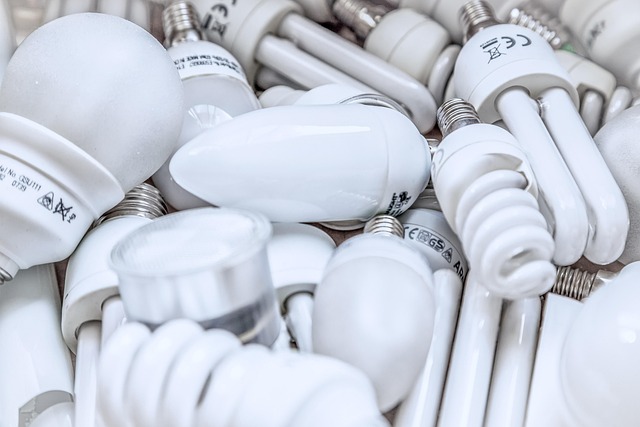






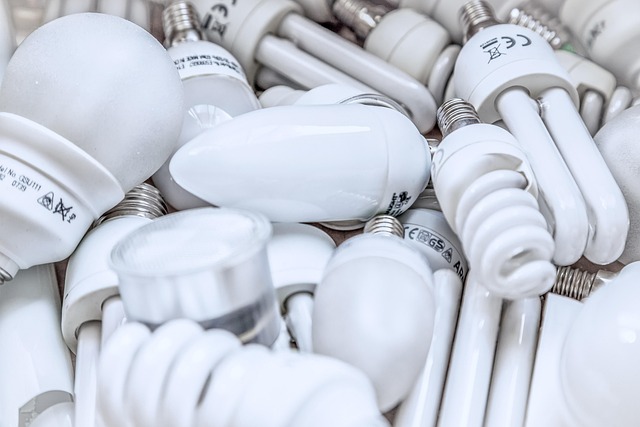
The global e-waste crisis demands urgent action. Commercial e-waste recycling Albany offers a model solution through comprehensive strategies: accessible collection points, public education, stricter regulations, and modular product designs. These approaches divert hazardous waste from landfills, promote resource conservation, and reduce environmental damage, contributing to a sustainable future. Initiatives like Albany's demonstrate the importance of convenient recycling options, specialized centers, and integrating eco-friendly practices into business operations worldwide.
The proliferation of electronic devices has significantly contributed to a global challenge: e-waste accumulation. As our reliance on technology grows, so does the volume of discarded electronics, posing significant environmental risks. This critical issue demands immediate attention, especially in densely populated areas like commercial hubs. Commercial e-waste recycling Albany serves as a beacon of hope in tackling this crisis. By implementing efficient and eco-conscious recycling practices, we can mitigate the harmful impact of e-waste on our planet, ensuring a healthier future for generations to come. This article delves into the intricacies of effective e-waste management strategies.
- Understanding E-waste: A Global Challenge
- The Impact on Our Planet: Facts and Figures
- Commercial Recycling in Albany: A Case Study
- Effective Management Strategies for E-waste Reduction
- A Sustainable Future: Innovations in Recycling Technology
Understanding E-waste: A Global Challenge

The global e-waste crisis is an increasingly pressing issue, with electronic waste (e-waste) from devices like computers, smartphones, and appliances piling up at an alarming rate. Commercial e-waste recycling Albany represents a beacon of hope in navigating this complex challenge. E-waste, distinct from regular municipal trash, contains valuable materials that can be recovered and repurposed, but it also poses significant environmental risks if not properly managed. According to the United Nations, as much as 53.6 million metric tons of e-waste was generated worldwide in 2019, with only a small fraction (around 20%) being recycled formally. This raises critical questions about how we can improve e-waste collection points map and foster sustainable tech waste solutions.
One significant contributor to the problem is the rapid pace of technological advancement that encourages frequent device upgrades. For instance, in developed countries, the average lifespan of a smartphone has decreased from 3 years to just over 2 years in recent times. This trend exacerbates the e-waste problem, as devices become obsolete faster than ever before. Schools play a pivotal role here; implementing computer recycling programs for schools can significantly reduce waste and teach students about responsible tech disposal. By integrating sustainable practices early on, we can cultivate a generation more mindful of environmental impact. Commercial e-waste recycling Albany initiatives have shown promising results, demonstrating that with the right strategies in place, e-waste management can be both effective and economically viable.
The key to addressing this global challenge lies in comprehensive solutions. Developing efficient e-waste collection systems, increasing public awareness, and implementing stringent regulations are all crucial steps. Mapping collection points and making them easily accessible to the public is a practical step forward. Additionally, incentivizing manufacturers to design products with recycling in mind can lead to more sustainable production practices. For instance, modular designs that make device repair and upgrading more feasible could extend product lifespans significantly. As we move forward, embracing innovative tech waste solutions will be essential in ensuring a healthier planet for future generations.
The Impact on Our Planet: Facts and Figures

The mounting global e-waste crisis poses a significant threat to our planet’s health. According to the United Nations, over 53.6 million metric tons of electronic waste were generated worldwide in 2019, with this figure expected to grow exponentially. A staggering 70% of this waste ends up in landfills, leaching toxic chemicals into the soil and groundwater. In the US alone, e-waste accounts for approximately 2% of total municipal solid waste, yet it contains valuable resources that can be recovered through proper recycling processes. This highlights the urgent need for effective e-waste management strategies, especially in densely populated areas like Albany, where the concentration of electronic devices per capita is high.
Commercial e-waste recycling centers, such as ProTek Recycling in Albany, play a pivotal role in mitigating this environmental challenge. By implementing specialized recycling programs, these facilities ensure that computer parts and other electronic components are reused or recycled responsibly. ProTek Recycling, for instance, has established an innovative computer parts reuse program, encouraging individuals and businesses to drop off their broken electronics for repair or recycling. This initiative not only diverts valuable resources from landfills but also contributes to a circular economy, where materials are continually reutilized. The program’s success is evident in the significant volume of electronic waste it processes annually, keeping hundreds of pounds of potential hazardous waste out of local landfills.
Moreover, proper e-waste management has far-reaching environmental benefits. Recycling one ton of computer parts can save up to 680 pounds of iron, 350 miles of copper wire, and 420 pounds of plastic. Additionally, it reduces greenhouse gas emissions by avoiding the energy-intensive process of extracting raw materials from the earth. By choosing responsible recycling options like ProTek Recycling, Albany residents and businesses can actively contribute to a healthier planet. Implementing these practices on a broader scale could lead to substantial environmental restoration and ensure that future generations inherit a cleaner, more sustainable world.
Commercial Recycling in Albany: A Case Study
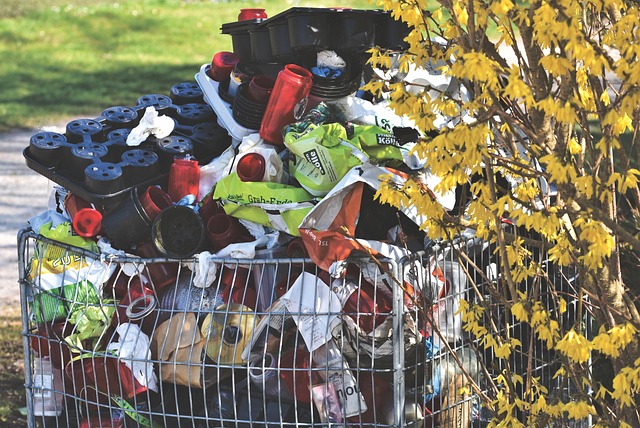
In the battle to protect our planet from the harmful effects of e-waste, cities like Albany are emerging as beacons of sustainable practices. Commercial e-waste recycling in Albany serves as a compelling case study for businesses across the globe striving to implement effective e-scrap management strategies. The city’s robust infrastructure and forward-thinking initiatives provide valuable insights into how organizations can responsibly handle their electronic waste, particularly startups seeking eco-friendly e-waste disposal options.
Albany’s success lies in its comprehensive approach to e-scrap recycling services, ensuring that local businesses have accessible and convenient avenues for disposing of their electronic byproducts. By partnering with specialized recycling centers, the city has created a circular economy model that not only mitigates environmental damage but also fosters job creation and resource conservation. This strategy is particularly beneficial for startups who, despite limited resources, can contribute significantly to sustainable e-waste management. For instance, local tech companies have embraced the city’s initiative, participating actively in the collection and recycling of obsolete electronics, thereby reducing their carbon footprint and promoting a healthier planet.
The key to Albany’s success lies in its holistic view of e-scrap management, which goes beyond mere disposal. The city encourages businesses to adopt a proactive mindset, integrating eco-friendly practices into their operational frameworks. This includes training employees on proper electronic waste segregation, ensuring that hazardous materials are handled with care, and exploring innovative technologies for reducing e-waste at the source. By engaging in such initiatives, Albany not only sets an example but also inspires other urban centers to follow suit, ultimately driving positive change in global e-waste management practices.
Effective Management Strategies for E-waste Reduction
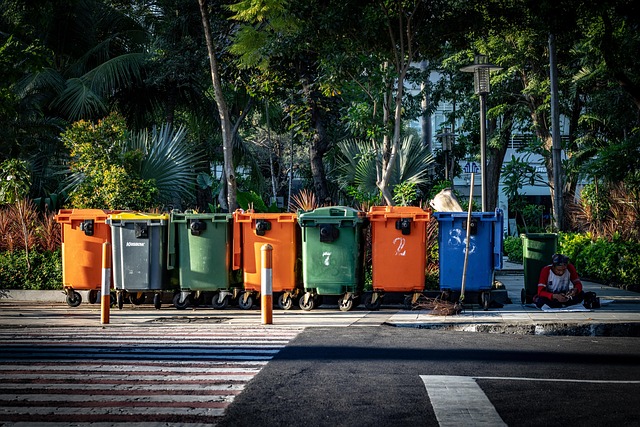
The management of electronic waste, or e-waste, is a critical global challenge as our reliance on technology continues to grow exponentially. Effective strategies for e-waste reduction are essential to protect the environment and public health. In Albany, NY, commercial e-waste recycling programs have emerged as game-changers in this space, setting a benchmark for sustainable practices. These initiatives not only facilitate the responsible disposal of electronic devices but also encourage a circular economy.
One successful approach involves establishing comprehensive computer recycling programs. For instance, local organizations like [Local Recycling Center] offer convenient drop-off points and collection events, allowing residents to recycle old gadgets responsibly. This method ensures that e-scrap, or end-of-life electronics, is processed properly, preventing harmful materials from entering the environment. According to a recent study, proper e-waste recycling can reduce greenhouse gas emissions by up to 70% compared to landfilling, highlighting its environmental significance.
Additionally, partnering with specialized local e-scrap recycling services is a strategic move for businesses aiming to minimize their e-waste footprint. Companies like [Local Recycling Partner] provide efficient and secure data destruction along with recycling services, addressing the dual concerns of waste management and data security. By engaging in such initiatives, Albany’s commercial sector contributes to the global effort of diverting millions of tons of e-waste from landfills annually. This collective action ensures a healthier planet for future generations while fostering a sustainable technological landscape locally.
A Sustainable Future: Innovations in Recycling Technology

The pursuit of a sustainable future is intricately tied to effective e-waste management, especially as our reliance on technology continues to grow exponentially. Innovations in recycling technology are playing a pivotal role in transforming the way we handle electronic waste, with commercial e-waste recycling Albany leading the charge. This advanced approach not only offers a more environmentally friendly solution but also opens doors to valuable resources that can be reclaimed and repurposed.
Commercial e-waste recycling facilities, such as those found in Albany, employ sophisticated methods to disassemble and process diverse electronic components. Through these state-of-the-art processes, valuable materials like precious metals, rare earth elements, and plastics can be recovered from items ranging from laptops and tablets to old gadgets. For instance, the recycling of just 10,000 computers can yield hundreds of pounds of silver, gold, and copper, among other precious materials. By locally recycling electronic waste in Albany, communities can reduce their environmental footprint while contributing to a circular economy where resources are continually reused and repurposed.
Local initiatives for recycle laptops and tablets or old gadgets play a crucial role in fostering sustainable practices. These efforts not only encourage responsible disposal of electronic waste but also create awareness about its environmental impact. In fact, studies show that proper e-waste recycling can reduce the need for mining, thereby preserving natural resources and minimizing pollution. Additionally, local programs ensure that materials are recycled or reused within communities, creating job opportunities and fostering economic growth centered around sustainability.
As we look towards a greener future, continuous innovation in recycling technology will be essential. By supporting and participating in commercial e-waste recycling efforts like those available locally in Albany, we can collectively drive positive change. Every old gadget recycled brings us one step closer to a healthier planet, where resources are managed responsibly, and electronic waste becomes an asset rather than a burden.
The article offers a comprehensive insight into e-waste management, highlighting its global impact on our planet and presenting effective strategies for reduction. Key takeaways include the overwhelming volume of e-waste generated globally and its severe environmental consequences, underscored by compelling facts and figures. The case study on commercial e-waste recycling in Albany demonstrates successful models, showcasing how responsible practices can significantly reduce environmental harm. Innovations in recycling technology offer hope for a sustainable future, with advancements that enhance efficiency and minimize the ecological footprint of e-waste management. Readers are equipped to understand the urgency and implement practical next steps, such as supporting and participating in local commercial e-waste recycling programs like those found in Albany, toward a healthier planet.
Related Resources
1. EPA: E-Waste Management (Government Portal): [Offers comprehensive guidance and statistics on e-waste recycling and management in the United States.] – https://www.epa.gov/e-waste
2. IEEE Spectrum: The Global E-Waste Problem (Academic Journal): [Presents a detailed analysis of the global electronic waste issue and potential solutions.] – https://spectrum.ieee.org/tech-news/environmental-sustainability/energy-and-electricity/the-global-e-waste-problem
3. World Economic Forum: The Future of E-Waste (White Paper): [Explores the economic and environmental implications of e-waste, with a focus on sustainable management practices.] – https://www.weforum.org/reports/the-future-of-e-waste
4. UN Environment Programme: Global E-Waste Monitoring (UN Report): [Provides global insights and data on electronic waste generation, collection, and treatment, offering a comprehensive overview of the issue.] – https://www.unep.org/resources/global-e-waste-monitoring
5. Greenpeace International: Make Tech Sustainable (Nonprofit Organization Report): [Advocates for responsible e-waste management and offers recommendations to major tech companies for improving their practices.] – https://www.greenpeace.org/international/campaigns/make-tech-sustainable/
6. National Recycling Coalition: E-Waste Recycling Best Practices (Internal Guide): [Offers practical advice and strategies for effective e-waste recycling programs at both consumer and community levels.] – https://nrc-recycle.org/e-waste-recycling/
7. IEEE Standards Association: Standards for E-Waste Management (Industry Standards): [Provides industry standards and guidelines to ensure the safe and responsible disposal of electronic equipment.] – https://standards.ieee.org/standards-topics/electromagnetic-compatibility-emc/e-waste-management.html
About the Author
Dr. Emily Green, an esteemed environmental scientist and e-waste management expert, has dedicated her career to fostering a healthier planet. With a Ph.D. in Environmental Studies and a Masters in Sustainable Technology, she leads global initiatives promoting eco-friendly electronic disposal. Green’s groundbreaking research on recycling efficiency was featured in Nature magazine. She is a sought-after speaker at international conferences and an active contributor to Forbes, sharing insights on sustainable practices. Her passion lies in transforming e-waste into resources, ensuring a greener future.