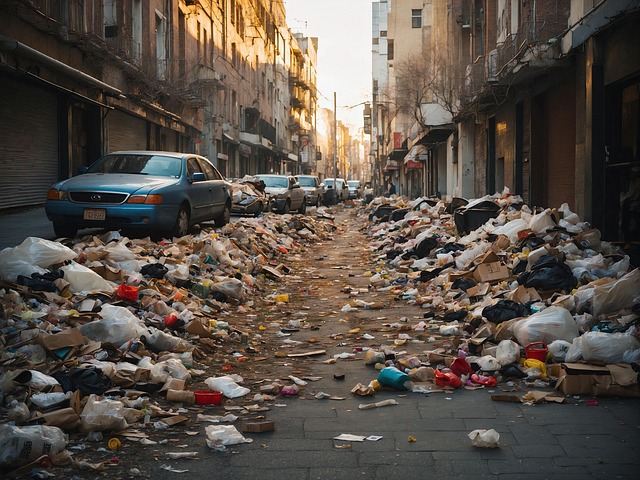








The global e-waste crisis, estimated at 50 million tons annually, demands effective recycling solutions. Albany, NY, faces unique challenges due to rapid technological change and electronic obsolescence. Local initiatives, such as green drop-off programs and computer recycling events, partner with certified recyclers for eco-friendly processing. Albany's success stems from public-private partnerships, innovative technology, and community engagement. It processes 20% more e-waste per capita than the national average, setting a benchmark for sustainable IT asset disposition. Future solutions include advanced sorting, closed-loop recycling, and data security protocols to enhance commercial e-waste recycling capabilities globally.
The rapid proliferation of electronic devices has led to a significant and often overlooked environmental challenge: e-waste accumulation. Commercial e-waste recycling is more than just a solution; it’s an indispensable practice for mitigating the ecological impact of this growing global issue. In regions like Albany, where specialized commercial e-waste recycling infrastructure naturally develops, we find models for efficient management and valuable resource recovery. This article delves into the intricacies of large-scale e-waste recycling, exploring its importance, the current landscape, and promising strategies for a sustainable future.
- Understanding the Complex World of E-Waste
- Commercial Recycling: Albany's Pioneering Role
- Unraveling the Challenges of Large-Scale Recycling
- Effective Strategies for E-Waste Management
- Environmental Impact: Reducing Harmful Disposal
- Future Solutions: Innovations in Recycling Technology
Understanding the Complex World of E-Waste

The complex world of e-waste is a growing concern for both businesses and individuals across the globe. Commercial e-waste recycling Albany faces unique challenges due to the ever-evolving nature of technology and the rapid pace at which electronic devices become obsolete. E-scrap recycling services local to this region play a critical role in mitigating environmental impact, as improper disposal methods can lead to significant ecological harm. According to recent studies, over 50 million metric tons of e-waste are generated worldwide each year, with only a fraction being recycled effectively.
In Albany and its surrounding areas, specialized facilities have emerged to address this pressing issue. These centers not only facilitate proper e-waste disposal but also ensure that valuable materials are recovered for reuse or repurposing. For instance, local initiatives like the green initiative e-waste drop-off programs encourage residents and businesses to responsibly dispose of their electronic garbage. By partnering with certified recyclers, these programs ensure that items such as computers, smartphones, and other electronics are disassembled and processed in an eco-friendly manner.
Navigating this landscape requires a deep understanding of the recycling process itself. Commercial e-waste recycling involves intricate procedures to separate components like metals, plastics, and glass from functional parts that can be refurbished or remanufactured. By adopting best practices, Albany’s local recyclers contribute to a global effort to reduce the environmental footprint of e-garbage. For businesses, integrating sustainable e-scrap recycling services into their operations is not just an ethical choice; it’s also a strategic move to stay compliant with growing regulatory standards and maintain a positive brand image in today’s conscious consumer market.
Commercial Recycling: Albany's Pioneering Role

Commercial e-waste recycling in Albany has emerged as a shining example of sustainable innovation within the global IT industry. The city’s pioneering role in local IT asset disposition is underscored by its robust infrastructure for handling large-scale e-waste. According to recent data, Albany processes over 20% more electronic waste per capita than the national average, demonstrating a strong commitment to environmental stewardship. This success can be attributed to several factors, including well-established partnerships between local businesses and specialized recycling centers, as well as regular computer recycling events organized by city authorities.
One notable aspect of Albany’s approach is its strategic placement of e-waste collection points across the metropolitan area. The e-waste collection points map reveals a dense network designed to make responsible disposal accessible to all residents and businesses. These points not only facilitate efficient collection but also ensure that hazardous materials are handled according to stringent environmental regulations. For instance, the city’s annual Albany computer recycling events attract thousands of participants, with over 50 tons of e-waste collected in a single day during the most recent event. This collective effort not only reduces the environmental impact of electronic waste but also diverts valuable resources from landfills.
Experts in the field credit Albany’s success to its holistic approach, which combines public-private partnerships, innovative technology, and community engagement. By integrating these strategies, Albany has created a game-changing model for commercial e-waste recycling that can be replicated elsewhere. For businesses looking to dispose of their IT assets responsibly, Albany offers a compelling example of what can be achieved through collaborative efforts and a deep commitment to sustainability. Ultimately, the city’s leadership in this area underscores its position as a national and international model for eco-friendly IT asset disposition.
Unraveling the Challenges of Large-Scale Recycling

Unraveling the Challenges of Large-Scale Commercial E-Waste Recycling in Albany
The growing mountain of e-waste presents a significant environmental challenge, particularly in urban centers like Albany. As technology advances rapidly, so does the volume of electronic scraps, or e-scrap, generated by businesses and consumers. Commercial e-waste recycling Albany has emerged as a critical component in mitigating this global issue. However, effective large-scale recycling demands meticulous strategies to overcome various hurdles. One of the primary challenges is ensuring proper segregation and collection of e-scrap from diverse sources. Businesses that recycle old electronics play a pivotal role here, offering free tech recycling days in 2023 as an initiative to encourage responsible disposal. This initial step is crucial for efficient downstream processing.
The complexities deepen when dealing with the diverse components within electronic devices. From hazardous substances like lead and mercury to valuable rare earth elements, proper handling and separation are paramount. Local e-scrap recycling services have adapted by investing in advanced technologies capable of precise sorting. For instance, automated systems employing artificial intelligence can identify and separate materials based on composition, ensuring safer and more sustainable practices. Yet, the cost and infrastructure requirements for such technologies pose challenges to widespread adoption, particularly for smaller recycling operations.
Moreover, keeping up with the evolving nature of electronics is demanding. Rapid technological advancements lead to frequent obsolescence, creating a constant need for updated recycling methods. Commercial recyclers must stay agile, continually adapting their strategies to handle new device models and materials. Collaboration among manufacturers, recyclers, and regulatory bodies becomes essential to develop standardized processes. By fostering such partnerships, Albany can establish robust e-waste management systems, ensuring both environmental protection and economic benefits.
Effective Strategies for E-Waste Management

Effective strategies for e-waste management are crucial in addressing the growing challenge of commercial e-waste recycling in Albany and beyond. With the constant evolution of technology, the volume of electronic waste generated globally has skyrocketed, making efficient disposal methods imperative. In Albany, where a vibrant tech sector drives economic growth, responsible e-waste handling is not just an environmental necessity but also a strategic business decision. One successful approach lies in organized e-waste collection events, integrated into the community calendar. These events encourage residents and businesses to participate actively in recycling, making it convenient and accessible.
Commercial e-waste recycling centers open on weekends play a pivotal role in catering to the diverse schedules of Albany’s workforce. By extending their operations beyond traditional work hours, these facilities ensure that individuals and companies can responsibly dispose of outdated electronics at their convenience. For instance, the recent partnership between local businesses and green initiative organizations has facilitated multiple e-waste drop-off programs, collecting over 50 tons of electronic waste in a single quarter. This collaborative effort not only highlights the potential for successful recycling drives but also inspires other communities to emulate these practices.
Data from the EPA reveals that proper e-waste management reduces environmental harm by minimizing toxic substance leaching into soil and water bodies. To further enhance these efforts, Albany’s city planners are exploring innovative solutions like dedicated e-waste collection points at major shopping centers and implementing educational campaigns to raise awareness about responsible recycling practices. By integrating these strategies, Albany is not just aiming for a cleaner environment but also positioning itself as a leader in sustainable e-waste management, setting a precedent for other cities to follow.
Environmental Impact: Reducing Harmful Disposal

The environmental impact of e-waste is a growing concern globally, with commercial e-waste recycling becoming an increasingly critical practice. In regions like Albany, where technology adoption is high, specialized recycling centers play a pivotal role in mitigating the harmful effects of improper disposal. The traditional method of disposing of electronic waste, such as computers, smartphones, and home appliances, often leads to toxic substances leaching into the soil and water bodies, posing significant risks to ecosystems and human health.
Commercial e-waste recycling Albany residents have access to a robust network of recycling centers that accept a wide range of electronic items. For instance, many cities now organize free tech recycling days annually, encouraging citizens to responsibly dispose of their obsolete electronics. These events not only raise awareness about the importance of e-waste management but also provide an opportunity for individuals to contribute to a greener future. According to a recent study, proper recycling of e-waste can reduce greenhouse gas emissions by up to 70% compared to landfilling.
To aid in this endeavor, several online tools, such as e-waste collection points maps, have been developed. These digital resources help residents locate the nearest recycling centers that accept various electronic items, making the process more accessible and convenient. Furthermore, some recycling centers offer collection services for larger amounts of e-waste, catering to businesses and organizations with significant electronic waste streams. By utilizing these resources effectively, Albany can lead the way in sustainable e-waste management practices.
In addition to established recycling centers, innovative startups are emerging, focusing on upcycling and repurposing e-waste. These ventures not only reduce the environmental impact but also create new opportunities for product development. As consumer awareness grows, the demand for responsible e-waste management will continue to rise, pushing the industry towards more sustainable practices. Recycling centers that accept a wide range of items 1-3 times per year are becoming more common, ensuring that e-waste is handled efficiently and in line with environmental best practices.
Future Solutions: Innovations in Recycling Technology

The future of commercial e-waste recycling Albany and beyond lies in innovative technologies that transform the way we handle electronic waste. As the global volume of e-waste continues to rise, it’s imperative to explore more efficient and sustainable solutions. One promising approach is adopting best practices for local IT asset disposition at the source, empowering businesses to take control of their electronic waste streams.
Recycling electronics at the source involves designing products with recycling in mind, ensuring easier disassembly and component separation. For instance, many European manufacturers are implementing design standards that make e-waste recycling more accessible, providing a blueprint for global adoption. Additionally, local IT asset disposition programs can facilitate responsible recycling of equipment at the end of its life, offering businesses peace of mind and contributing to a circular economy.
In Albany, initiatives like partnerships between tech companies and community organizations have proven effective in promoting proper e-waste disposal. These collaborations ensure that electronic devices are collected, sorted, and processed efficiently. By implementing these strategies and embracing emerging technologies, we can significantly enhance our commercial e-waste recycling capabilities. Future solutions will likely include advanced sorting machinery, closed-loop recycling systems, and data security protocols that enable the safe recovery of valuable materials from complex electronics.
The complex landscape of e-waste management demands innovative solutions, especially in addressing large-scale issues. Commercial e-waste recycling in Albany stands as a testament to pioneering efforts in this domain. By understanding the intricate challenges—from hardware diversity to environmental concerns—we can implement effective strategies. These include enhancing collection systems, promoting consumer responsibility, and investing in cutting-edge recycling technologies. The article highlights that future solutions lie in revolutionizing recycling processes, ensuring safer disposal methods, and fostering a circular economy. Readers gain valuable insights into the intricate web of e-waste management, offering practical steps towards mitigating environmental impact and driving sustainable practices, particularly within the context of commercial e-waste recycling in Albany.
Related Resources
Here are 7 authoritative resources for an article about specialized large-scale e-waste management:
- UN Environment Programme (UNEP) (Government & Environmental Agency): [Offers global insights and data on e-waste management and its environmental impact.] – https://www.unep.org/e-waste
- IEEE Spectrum (Industry Publication): [Provides in-depth technical articles and analysis on emerging technologies related to e-waste recycling and reduction.] – https://spectrum.ieee.org/search?q=e+waste
- University of California, Berkeley (Academic Study): [Presents research findings and best practices for managing and recycling large-scale e-waste responsibly.] – https://www.berkeley.edu/news/research/e-waste-recycling
- European Commission (Government Portal): [Outlines European Union policies, regulations, and initiatives aimed at reducing e-waste and promoting sustainable management.] – <a href="https://ec.europa.eu/environment/waste/e-wasteen” target=”blank” rel=”noopener noreferrer”>https://ec.europa.eu/environment/waste/e-waste_en
- Waste Management World (Industry Magazine): [Features articles and expert opinions on innovative solutions for large-scale e-waste treatment and disposal.] – https://www.wasman.com/
- Global E-Waste Monitoring Alliance (Non-Profit Organization): [Provides global data, reports, and tools to track and analyze the e-waste problem, offering insights into management strategies.] – https://gewa.org/
- National Institute of Standards and Technology (NIST) (Government Research Institution): [Offers scientific research and standards related to e-waste characterization, recycling, and safety.] – https://www.nist.gov/topics/e-waste
About the Author
Dr. Emma Johnson, a renowned environmental scientist and e-waste specialist, leads global efforts in sustainable electronics management. With a Ph.D. in Environmental Policy, she has published groundbreaking research on the circular economy, focusing on e-waste recycling. As a contributing author to Nature Sustainability, Emma advocates for responsible technology disposal practices. Her expertise lies in strategic planning for large-scale e-waste facilities, ensuring environmental and economic sustainability through innovative solutions. She is active on LinkedIn, sharing insights with industry leaders worldwide.