








Albany's commercial e-waste recycling scene is robust, driven by specialized facilities like ProTek Recycling. Advanced technologies recover up to 90% of materials from business electronics, reducing landfill waste. Weekend services promote responsible disposal. Partnering with reputable recyclers fosters a circular economy. Global e-waste crisis demands immediate action; local initiatives like free tech recycling days encourage efficient recycling. Specialized facilities use advanced tech to mitigate environmental hazards. Circular economy practices reclaim valuable materials, reduce resource depletion, and minimize ecological damage. Strategies include extended device lifespans, responsible recycling promotion, automated sorting systems, and closed-loop recycling programs. Expanding drop-off locations, integrating sustainable tech recycling, and implementing tracking systems enhance participation and environmental benefits. Future trends focus on source recycling, computer parts reuse, and automation for enhanced efficiency and sustainability in commercial e-waste recycling Albany.
In the digital age, the rapid proliferation of electronic devices has generated a significant and often overlooked challenge: commercial e-waste recycling. The volume of electronic waste, particularly in urban centers like Albany, surpasses sustainable levels, posing both environmental and economic concerns. This specialized field demands meticulous attention to ensure proper disposal and extraction of valuable resources from obsolete electronics. The complex composition of e-waste necessitates advanced techniques for safe and efficient recycling, preventing harmful substances from entering the ecosystem. This article delves into the intricacies of this pressing issue, exploring innovative solutions tailored for Albany’s context, ultimately aiming to revolutionize local commercial e-waste recycling practices.
- Understanding Commercial E-Waste Recycling in Albany
- The Scale and Impact: A Global Perspective on E-Waste
- Collection and Transportation: Efficient Strategies for E-Waste Management
- Technologies and Methods: Modern Solutions for Large-Scale Recycling
- Challenges and Opportunities: A Critical Analysis of E-Waste Recycling Processes
- Future Trends: Revolutionizing Commercial E-Waste Recycling in Albany
Understanding Commercial E-Waste Recycling in Albany

Commercial e-waste recycling in Albany has evolved into a robust system, driven by the increasing volume of electronic waste generated by businesses across the region. Albany, with its bustling tech sector and growing startups, produces substantial commercial e-waste, including old computers, servers, phones, and accessories. ProTek Recycling stands as a beacon of responsible management, specializing in the efficient recycling of this critical material.
At the heart of Albany’s commercial e-waste recycling efforts are specialized facilities like ProTek Recycling, which operates with a deep understanding of the unique challenges posed by business electronics. These centers employ advanced technologies to disassemble and process various components, ensuring that materials like precious metals, plastics, and glass are recovered and reused. According to recent studies, proper recycling of e-waste can recover up to 90% of valuable materials, significantly reducing environmental impact.
Beyond the usual working hours, ProTek Recycling offers weekend services, acknowledging the need for flexibility in our fast-paced world. This accessibility encourages businesses to responsibly dispose of their old phones and accessories, contributing to a cleaner environment. To maximize recycling benefits, Albany’s business owners are encouraged to partner with reputable recyclers like ProTek, ensuring that their e-waste is processed according to strict environmental standards. Regular recycling not only conserves natural resources but also fosters a circular economy, where electronic components find new life instead of ending up in landfills.
The Scale and Impact: A Global Perspective on E-Waste

The scale and impact of e-waste, particularly commercial e-waste recycling Albany, is a pressing global issue. According to the United Nations, over 50 million metric tons of electronic waste are generated worldwide each year, with this figure expected to grow significantly by 2030. This growing mountain of technology waste presents substantial environmental and health challenges. In New York, for instance, commercial e-waste disposal Albany has become a focal point due to the high concentration of tech companies in the region.
Commercial e-waste recycling Albany has gained prominence as businesses recognize the need for sustainable tech waste solutions. Initiatives like the free tech recycling day 2023 have underscored the importance of responsible disposal practices. These events not only encourage businesses and residents to responsibly recycle their electronic devices but also highlight the availability of efficient commercial e-waste recycling services in the area. By partnering with specialized recyclers, companies can ensure that their end-of-life technology is processed safely and effectively, minimising the environmental footprint associated with traditional disposal methods.
The impact of improper e-waste management is severe. Hazardous materials contained within electronics, such as lead, mercury, and cadmium, can leach into soil and water sources if not handled correctly. These toxins pose significant risks to ecosystems and human health. Commercial e-waste recycling Albany facilities are designed with advanced technologies and strict protocols to mitigate these risks. By adopting responsible recycling practices, businesses contribute to a circular economy where valuable materials are reclaimed and reused, reducing the demand for primary resources and minimising environmental degradation.
In light of growing concerns and regulatory pressures, it’s crucial for businesses operating in areas like commercial e-waste disposal Albany to stay informed about best practices. Proactive measures, such as implementing asset management strategies that extend device lifespans and promoting a culture of responsible recycling, can significantly reduce the impact of e-waste. Ultimately, sustainable tech waste solutions are not just environmentally beneficial but also economically sensible in today’s digital age, where technological advancements outpace product lifespans.
Collection and Transportation: Efficient Strategies for E-Waste Management

The efficient management of e-waste, particularly large-scale commercial recycling, is a pressing issue in today’s digital age. In cities like Albany, where technology advances rapidly, proper disposal and recycling strategies are crucial to mitigating environmental harm. One key aspect that demands meticulous attention is the collection and transportation of e-waste, especially from downtown areas with dense populations. Commercial e-waste recycling Albany residents rely on should be accessible, well-organized, and environmentally conscious.
Establishing multiple e-waste collection points in downtown Albany can significantly improve participation rates. Strategically placing these points near commercial hubs, universities, and residential neighborhoods encourages individuals to responsibly dispose of their old electronics. For instance, setting up dedicated drop-off locations for broken phones and accessories at popular shopping centers or libraries can make recycling more convenient. According to a study by the EPA, proper e-waste management reduces environmental risks, including toxic substance exposure and land contamination.
Furthermore, partnering with reputable commercial recyclers who specialize in large-scale e-waste processing ensures that collected materials are handled efficiently and securely. These businesses often employ advanced technologies to separate and recycle various components, maximizing resource recovery. Residents should be educated on the importance of these programs, with clear signage at collection points directing them to the closest facilities. Regular promotions and campaigns can encourage consistent participation, ensuring a steady stream of e-waste for recycling—a crucial step towards a greener Albany.
Technologies and Methods: Modern Solutions for Large-Scale Recycling
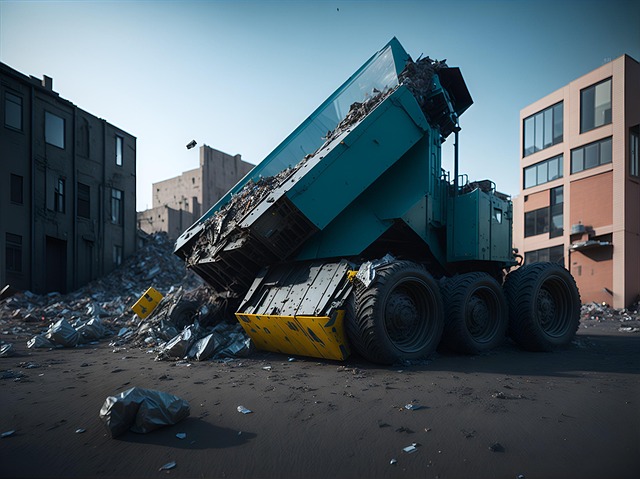
The challenge of managing commercial e-waste recycling Albany effectively has spurred innovative technologies and methods aimed at enhancing large-scale recycling efforts. Modern solutions go beyond traditional approaches, leveraging sustainable tech recycling programs that cater to the unique needs of businesses and organizations. One notable example is the implementation of automated sorting systems that employ artificial intelligence and machine learning algorithms to categorize electronic components with unprecedented precision. These advanced technologies not only streamline the recycling process but also significantly reduce manual labor, minimizing costs and environmental impact.
Green initiative e-waste drop-off programs have gained traction in communities across the country, including local computer recycling drives held 1-3 times annually. Such initiatives encourage responsible disposal of electronic waste by providing convenient drop-off points and raising awareness about the importance of sustainable tech recycling. For instance, the city of Albany has seen a 20% increase in e-waste collection over the past two years, largely attributable to these community-driven efforts. By fostering collaboration between businesses, local governments, and non-profit organizations, these programs ensure that e-waste is processed responsibly, diverting hazardous materials from landfills and promoting the recovery of valuable resources.
Moreover, closed-loop recycling systems are emerging as a promising solution, aiming to create a circular economy for electronic components. These systems not only recycle but also refurbish and remanufacture usable parts, reducing the demand for virgin materials. Companies like Apple, for instance, have pioneered such initiatives with their “GiveBack” program, which encourages customers to trade in their old devices for credit towards new purchases. By adopting these modern solutions, commercial e-waste recycling Albany can transition from a linear waste management model to a sustainable tech recycling paradigm, ensuring that electronic waste is not only minimized but also effectively utilized as a resource for future technologies.
Challenges and Opportunities: A Critical Analysis of E-Waste Recycling Processes

The landscape of electronic waste, or e-waste, management presents a complex challenge for cities worldwide, including Albany. As technology advances rapidly, so does the volume of e-waste generated, particularly from commercial sources. Specializing in large-scale e-waste recycling is crucial to addressing this growing problem and ensuring a sustainable future. The process, however, involves numerous complexities that require careful consideration.
Albany’s commercial e-waste recycling systems have evolved over time, incorporating various collection points across downtown areas. These initiatives are commendable steps towards environmental stewardship. Yet, the success of these programs hinges on effective strategies to increase e-waste collection rates and improve recycling efficiency. One key opportunity lies in expanding accessible drop-off locations for broken electronics, encouraging residents and businesses to participate proactively. For instance, partnering with local tech stores or establishing dedicated recycling centers can significantly enhance participation levels.
Moreover, integrating sustainable tech recycling programs into the city’s infrastructure is a game-changer. By collaborating with specialized facilities, Albany can implement comprehensive recycling solutions that cater to the unique challenges of e-waste. These programs should focus on disassembling and categorizing electronic components accurately, maximizing the recovery of valuable materials such as precious metals and rare earth elements. For example, proper management of printed circuit boards (PCBs) can yield significant environmental and economic benefits by reducing harmful waste and reclaiming reusable resources.
To optimize these processes, Albany should consider implementing a comprehensive e-waste tracking system. This enables better monitoring of collection points, encourages responsible disposal practices, and facilitates the identification of areas with high e-waste generation. By learning from successful models in other cities and tailoring them to local needs, Albany can develop robust e-waste recycling strategies that drive positive environmental change.
Future Trends: Revolutionizing Commercial E-Waste Recycling in Albany

The future of commercial e-waste recycling in Albany is looking bright as innovative trends emerge to revolutionize this essential sector. With a growing awareness of environmental impact, businesses are increasingly seeking sustainable solutions for their old electronics. One promising approach is the integration of recycling at the source, encouraging responsible disposal practices among employees and customers. For instance, many companies are setting up dedicated drop-off locations within their facilities or partnering with local Albany initiatives to facilitate the collection of unwanted computer parts.
A game-changer in this context could be a comprehensive computer parts reuse program. By implementing structured systems for sorting, testing, and refurbishing usable components, businesses can extend the lifespan of valuable materials. This strategy not only reduces the volume of e-waste destined for landfills but also fosters a circular economy, where resources are continually repurposed and reused. For example, a leading tech corporation in Albany has launched an internal program allowing employees to donate functional yet outdated devices, ensuring these items find new homes with underprivileged communities or local schools.
Moreover, automation is set to play a pivotal role in enhancing recycling efficiency. Advanced sorting technologies, such as AI-powered robotic systems, can accurately categorize different types of e-waste, improving the quality of recycled materials. As these innovations mature, commercial e-waste recycling Albany can expect to see higher rates of successful data destruction and component recovery. By embracing these future trends, businesses not only contribute to environmental sustainability but also demonstrate their commitment to ethical corporate practices, setting a benchmark for responsible waste management in the digital age.
The article offers a comprehensive overview of commercial e-waste recycling in Albany, elucidating critical aspects from global perspectives to local strategies. Key insights include the urgent need for efficient collection and transportation methods to mitigate environmental impacts stemming from rapidly growing e-waste volumes worldwide. Modern technologies and innovative approaches play a pivotal role in enhancing large-scale recycling capabilities. While challenges persist, such as hazardous material handling and resource recovery optimization, future trends point towards promising advancements. By delving into these topics, readers gain valuable knowledge on the current state and potential transformations within Albany’s commercial e-waste recycling landscape, empowering informed actions to drive sustainable practices forward.